Month: February 2026 Page 1 of 3

How to Improve Yourself One Day at a Time

How to Improve Yourself Daily: Small Steps for Big Change

The idea of self-improvement can feel overwhelming. You might picture huge goals that require massive effort. However, real and lasting change happens in a different way. The most effective path is to learn how to improve yourself daily.

This means focusing on small, consistent actions. You build a better life one day at a time. This approach is manageable for anyone. It removes the pressure of instant transformation. Instead, you make progress through simple, repeatable habits.

This guide will show you practical ways to build these habits. You will learn how to create a routine that fosters growth. The focus is on clear, beginner-friendly steps. As a result, you can start your journey with confidence today.

Parent sitting on the floor with a baby, drawing together in a calm home environment

The Power of Tiny, Daily Actions

Big goals are achieved through small steps. For example, you cannot write a book in one day. You can, however, write one page daily. Over time, those pages become chapters.

The same logic applies to any area of life. You improve yourself daily by committing to tiny actions. This method builds momentum quietly. It also makes the process less intimidating.

Instead of trying to change everything at once, you focus on one thing. Consistency is far more powerful than intensity. A five-minute daily habit is better than a two-hour session you never repeat.

Start With Your Morning Mindset

Your morning often sets the tone for the entire day. A positive start can lead to better choices. Therefore, a simple morning routine is a powerful tool.

You do not need a complex two-hour ritual. Begin with just five or ten minutes. For instance, you could drink a glass of water first thing. Then, take three deep breaths before checking your phone.

You could also state one thing you are grateful for. This practice grounds you in a positive mindset. It is a gentle way to improve yourself daily from the moment you wake up.

Define One Small Habit to Build

Clarity is essential for building new habits. Choose one specific area you want to improve. It could be related to health, learning, or organization.

Do not choose something vague like “be healthier.” Instead, pick a concrete action. A good example is, “I will walk for 10 minutes after lunch.”

This is a clear and achievable task. The small size makes it easy to do, even on busy days. Successfully completing this habit builds your confidence. You prove to yourself that you can improve yourself daily.

Use Triggers to Remember Your New Habit

A common challenge is simply forgetting to do your new habit. A helpful strategy is to use a “habit trigger.” This means linking your new habit to an existing part of your day.

Your existing routine acts as a natural reminder. For example, after you brush your teeth (existing habit), you will do two minutes of stretching (new habit). Or, after you pour your morning coffee, you will read one page of a book.

This technique removes the need for willpower to remember. The trigger does the work for you. As a result, your new habit becomes automatic more quickly.

The Role of Daily Learning

Learning new things keeps your mind sharp and opens doors. You do not need to enroll in a course immediately. Daily learning can be very simple.

Commit to learning one new small thing each day. You could listen to an educational podcast during your commute. Alternatively, you might watch a short tutorial video.

You could even read a few pages of a non-fiction book. The key is to make it a consistent, small part of your day. This habit ensures you are always growing your knowledge and skills.

Prioritize Physical Health Simply

Your physical health directly impacts your energy and mood. Improving it daily does not require a gym membership or drastic diets. Focus on foundational habits.

Firstly, try to move your body in some way every day. A short walk, some gentle stretching, or taking the stairs all count. Secondly, pay attention to hydration. Carry a water bottle and sip from it regularly.

Finally, be mindful of your sleep. Aim for a consistent bedtime each night. These three pillars—movement, water, and sleep—create a strong base for daily health improvement.

Manage Your Time in Small Blocks

Feeling overwhelmed often comes from poor time management. You can improve this area one day at a time. A famous method is the “Pomodoro Technique.”

You work on a task for just 25 minutes, then take a 5-minute break. This makes large projects feel less daunting. It also helps you maintain focus in short, manageable bursts.

Another tip is to identify your “one big thing” for the day. What is the single most important task? Commit to completing that first. This ensures you make progress on what truly matters.

Practice Mindfulness and Reflection

Looking inward is a vital part of growth. Mindfulness means paying gentle attention to the present moment. You can practice this daily without meditation if you prefer.

For example, take one minute to just feel your breath. Notice the sights and sounds around you without judgment. This simple act reduces stress and improves focus.

Additionally, end your day with brief reflection. Ask yourself two questions: What went well today? What is one small thing I can do better tomorrow? This process helps you learn from each day and plan the next.

Embrace Imperfection and Keep Going

You will have days where you miss your habit. That is perfectly normal and expected. The key is to not let one missed day break your streak.

Do not fall into the trap of all-or-nothing thinking. If you forget your walk today, simply do it tomorrow. Self-improvement is a long-term practice, not a perfect performance.

Be kind to yourself during setbacks. Treat them as data, not failure. Ask what made the habit hard that day. Then, adjust your approach and continue. Consistency over the long run is what creates change.

Building Your Personal Improvement Plan

Now, you can bring these ideas together. Your personal plan should be simple and based on your own life. Start by choosing just one or two small habits from the ideas above.

Write them down in a place you will see daily. Use a habit trigger to help you remember. Track your progress in a notebook or calendar with a simple checkmark.

Celebrate your small wins each week. Over time, these habits will become second nature. At that point, you can consider adding one more small change. This is how you sustainably improve yourself daily.


Why Consistency Matters More Than Talent

Why Consistency Beats Talent for Real Success
Many people believe that talent is the key to success. However, this idea is often misleading. While natural ability can give someone a head start, it is rarely enough on its own. In truth, consistency beats talent over the long run. Success in any field usually comes from regular, dedicated effort.

This article will explain why your daily habits are more powerful than your innate gifts. We will explore how consistency builds skills, creates reliability, and leads to lasting achievement. Anyone can learn to apply this principle, regardless of their starting point.

Woman working consistently on a laptop in a quiet study space, representing discipline and daily effort.

The Common Misconception About Talent
Society often celebrates talent. We admire the gifted musician or the naturally athletic star. As a result, we can fall into a trap. We start to think that success is only for the specially gifted. This belief can be harmful.

It makes people without obvious talent feel discouraged. They might think, “I wasn’t born with it, so why try?” However, this view is incomplete. Talent is like a seed. Without consistent watering and sunlight, it will not grow. Initial talent without effort often fades away.

Defining Talent and Consistency
First, let’s clarify these two concepts. Talent refers to a natural aptitude or skill. It is an innate ability you are born with. For example, someone might have a good ear for music or find math easy to understand.

Consistency, on the other hand, is the steady and continuous application of effort. It is the act of showing up and doing the work, day after day. This means practicing your craft even when you don’t feel inspired. It is a choice, not a gift.

The Limitation of Talent Alone
Talent can open doors, but it cannot keep them open. A talented person might learn a new skill quickly. However, they may also become overconfident. They might rely on their gift and avoid hard work.

When challenges arise, talent alone is not enough. Difficult problems require perseverance. A person used to easy wins may quit at the first sign of struggle. Over time, a less talented but more dedicated person will often surpass them.

How Consistency Builds True Skill
Mastery is not an event; it is a process. Consistency is the engine of this process. When you practice regularly, your brain and body adapt. Skills that were once difficult become automatic. This is how you build true expertise.

For example, consider learning a language. Studying for six hours one day and then nothing for two weeks is ineffective. Instead, studying for thirty minutes every day creates better results. The steady, repeated exposure helps your brain retain information. Consistency turns learning into lasting knowledge.

The Compound Effect of Small Efforts
Small actions, repeated consistently, create enormous results. This is called the compound effect. Imagine saving a small amount of money every month. Over years, it grows into a large sum. The same principle applies to effort.

Writing just 300 words a day leads to a full novel in a year. Exercising for 20 minutes daily builds remarkable fitness over months. The power is not in any single session. Instead, the power lies in the unbroken chain of small, daily actions. These actions accumulate into something significant.

Consistency Creates Reliability and Trust
Success often depends on other people’s trust. In business, clients choose reliable partners. In teams, coaches value dependable players. Consistency makes you reliable. It shows people that you are committed and disciplined.

A talented person who works sporadically is a risk. People cannot count on them. However, a consistent person delivers steady value. They build a strong reputation for follow-through. This reliability opens more doors than unpredictable talent ever could.

The Science of Habit Formation
Consistency works because it shapes your brain. Neurologically, repeated actions form neural pathways. These pathways make the behavior easier and more automatic. In short, consistency builds strong habits.

When an action becomes a habit, it requires less willpower. You no longer debate whether to practice; you just do it. This automaticity is crucial for long-term projects. It carries you through moments of low motivation. Talent does not create habits; only consistent action does.

Overcoming Failure and Plateaus
Everyone faces setbacks and periods of no progress. These plateaus are where many people give up. Talent offers no special protection here. However, consistency provides a powerful tool.

A consistent person has a routine to fall back on. They know that showing up is the only way through. They trust the process even when results are invisible. This steady effort eventually breaks the plateau. The consistent action itself becomes the solution to stagnation.

Practical Steps to Build Consistency
Understanding is good, but action is better. Here are simple steps to become more consistent.

First, start extremely small. Set a goal so easy you cannot say no. For instance, “practice guitar for 5 minutes daily.” This removes the mental barrier to starting.

Second, attach your new habit to an existing one. This is called habit stacking. For example, “After I drink my morning coffee, I will write for 10 minutes.”

Third, track your progress visually. Use a calendar and mark an “X” for every day you complete your task. Your goal becomes not breaking the chain of Xs.

Finally, be kind to yourself if you miss a day. Perfection is not required. Just get back to your routine immediately. Consistency is about long-term trends, not perfect records.

Real-World Examples of Consistency Winning
History is full of examples where consistency beats talent. The author James Patterson was rejected many times before succeeding. He built a writing routine and stuck to it, eventually becoming one of the world’s best-selling authors.

In sports, legendary basketball player Michael Jordan was famously cut from his high school team. He was not the most naturally talented player initially. However, his relentless work ethic and consistent practice made him a legend. His discipline, not just his talent, defined his career.

Making Consistency Your Greatest Asset
You do not need to wait for talent to find you. You can start building consistency today. Choose one small, meaningful area of your life to focus on. Commit to showing up every day, regardless of how you feel.

Over time, this discipline will become part of your identity. You will see yourself as a persistent person. This self-image is far more valuable than seeing yourself as “talented.” It is something you control completely.

How to Build Better Habits Without Stress

How to Build Better Habits Without Stress
Building better habits often feels like a stressful battle. You might start with strong willpower. However, life gets busy, motivation fades, and frustration grows. This cycle creates pressure and makes change seem hard. The good news is that you can escape this cycle. You can achieve lasting change through a gentle, stress free habit building approach. This method focuses on small, sustainable steps instead of giant leaps. Let’s explore how to make new habits stick without the struggle.

A smiling woman in a bright kitchen holding an orange, representing simple, healthy habits and a stress free lifestyle.

Why Willpower Alone Fails
Many people believe that strong willpower is the key to habits. They push themselves to make huge changes overnight. For example, someone might decide to exercise for an hour daily after being inactive. This approach, however, relies on constant mental effort. Willpower is a limited resource. It drains quickly under stress, tiredness, or hunger. As a result, relying solely on willpower sets you up for failure. When you fail, you feel guilty. This guilt creates more stress, making it harder to try again. Instead, you need a system that works with your natural psychology, not against it.

Start Extremely Small for Big Success
The most effective strategy is to begin with a step so tiny it seems easy. This is called the “tiny habit” method. The goal is to make the new behavior so simple that you cannot say no. For instance, don’t start with “run 3 miles.” Start with “put on my running shoes.” Instead of “read 50 pages,” start with “read one paragraph.” This removes the mental barrier of starting. A small start creates zero stress. You will likely do more once you begin. However, the only real goal is to complete that micro-step. Over time, this consistent repetition builds a strong neural pathway in your brain.

Focus on Building the Routine, Not the Result
Shift your mindset from outcomes to actions. Worrying about the end result, like losing 20 pounds, adds pressure. Instead, commit solely to the tiny action. Celebrate putting on your workout clothes, not the calories burned. This keeps the process stress free. Your confidence grows because you succeed daily. A strong routine, built from these small wins, naturally leads to results. The system becomes automatic. You are no longer debating with yourself each day. The habit simply becomes something you do.

Use Habit Stacking to Create Triggers
A powerful trick is to attach your new tiny habit to an existing one. This is known as “habit stacking.” Your current habits are already automatic. They provide perfect triggers. The formula is: “After I [Current Habit], I will [New Tiny Habit].” For example: “After I pour my morning coffee, I will drink one glass of water.” Or, “After I brush my teeth at night, I will write one sentence in my journal.” The existing habit acts as a reliable reminder. This strategy seamlessly weaves the new behavior into your life. It requires no extra memory or planning.

Design Your Environment for Success
Your surroundings have a huge impact on your behavior. A cluttered, distracting environment makes good habits harder. Conversely, you can design your space to make the right action easier. This is a core part of stress free habit building. For instance, want to eat more fruit? Wash some apples and place them in a bowl on the counter. Want to practice guitar? Leave the guitar on a stand in the living room, not in the closet. Reduce friction for good habits. At the same time, increase friction for habits you want to avoid. For example, keep your phone in another room while you work.

Practice Self-Compassion, Not Perfectionism
Expecting perfect consistency is a major source of stress. You will miss a day. Life will interrupt your streak. The critical difference is in your response. Perfectionism says, “I failed, so I might as well quit.” Self-compassion says, “That’s okay, I’ll just get back on track tomorrow.” Missing once does not ruin your progress. However, the story you tell yourself about missing it can. Be kind to yourself as you would to a friend. This gentle approach prevents the shame spiral that destroys habits. Just resume your tiny habit at the next opportunity.

Track Progress Visually to Stay Motivated
Use a simple visual tracker to see your consistency. A calendar on the wall works perfectly. Each day you complete your tiny habit, mark a big “X” on that date. Your goal is not to be perfect, but to create a chain of Xs. This method, popularized by Jerry Seinfeld, provides visual proof of your commitment. You will not want to “break the chain.” This visual feedback is motivating and rewarding. It turns abstract effort into a concrete picture of success. Keep the tracker in a place you see daily to reinforce your commitment.

Gradually Increase the Challenge
Once your tiny habit is automatic and easy, you can consider increasing it. This is called “habit graduation.” Do this only when the current step feels effortless. If your habit was “do one push-up,” and you’ve done it for a month without thought, try two push-ups. The increase should still feel relatively easy. This slow, steady scaling prevents burnout. You are building your habit muscle slowly and safely. Remember, the priority is always consistency over intensity. It is better to do two push-ups daily for a year than to do fifty for a week and then quit.

Connect Habits to Your Identity
The most lasting change happens when a habit becomes part of who you are. Instead of saying “I’m trying to run,” you say “I am a runner.” This identity shift is powerful. Every time you perform your tiny habit, you are voting for that new identity. You are not just doing a task; you are reinforcing a self-image. A person who meditates daily sees themselves as calm and mindful. This makes the habit more meaningful and resilient. The action is no longer a chore. It is an expression of who you are becoming.

Simple Lifestyle Changes for Personal Growth

Personal growth might sound like a major project. However, it truly begins with small, consistent steps. You do not need to overhaul your entire life overnight. Instead, you can focus on simple lifestyle changes that build momentum over time. This process is about making manageable tweaks to your daily routine. As a result, these small actions can lead to significant improvements in your well-being and outlook. This guide will walk you through practical and beginner-friendly adjustments. Each one is designed to foster growth without feeling overwhelming.

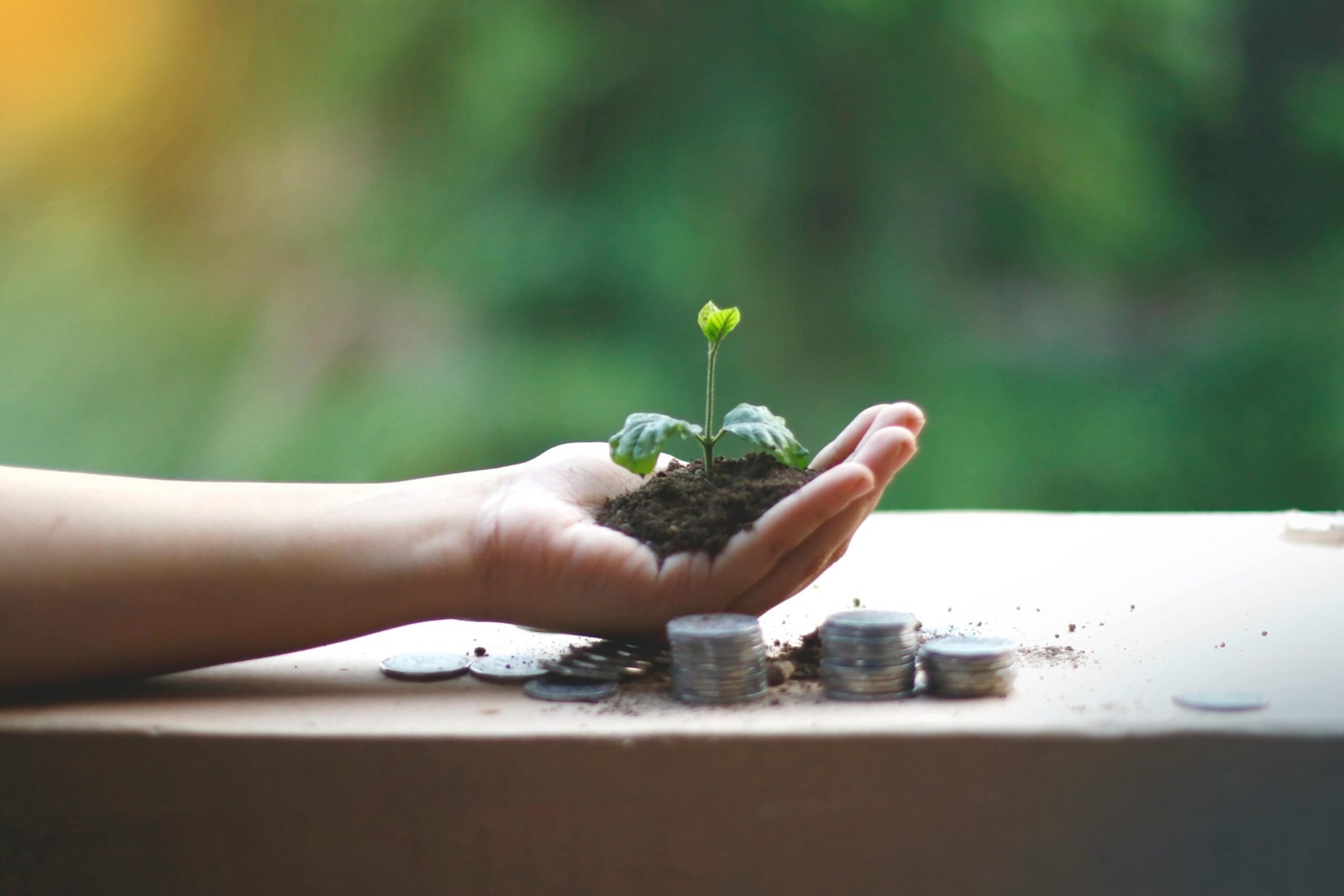
A hand gently holding soil with a small green plant growing, placed beside stacked coins, symbolizing simple lifestyle changes and personal growth over time.

Understanding the Power of Daily Routines
Your daily routine forms the foundation of your life. Small, repeated actions create your habits and shape your future. For example, hitting the snooze button repeatedly can start your day with rushed stress. However, waking up just fifteen minutes earlier can provide a calm, controlled morning. The key is to examine your current routines without judgment. Look for one or two areas where a minor shift is possible. This approach makes personal growth feel accessible and sustainable for anyone.

Start Your Day with Intention
One of the most effective simple lifestyle changes is to own your morning. How you begin the day often sets the tone for the next several hours. Instead of immediately checking your phone, try a different ritual. You could spend five minutes in silence, enjoy a glass of water, or write down three things you are grateful for. This practice creates a moment of peace before the day’s demands begin. Over time, this intentional start reduces anxiety and increases your sense of control. It is a small change with a powerful ripple effect.

Prioritize Quality Sleep
Growth cannot happen effectively without proper rest. Sleep is when your body and mind repair and consolidate memories. A simple change is to set a consistent bedtime and wake-up time, even on weekends. Also, create a relaxing pre-sleep ritual. For instance, you might read a book or listen to calm music. Make sure your bedroom is dark, cool, and quiet. This commitment to sleep improves your mood, focus, and energy levels. Consequently, you will be better equipped to handle daily challenges and learn new things.

Incorporate Mindful Movement
You do not need to train for a marathon to benefit from exercise. The goal is mindful movement, not intense punishment. A simple lifestyle change is to add more natural activity to your day. For example, you could take a short walk after lunch or do five minutes of stretching each morning. Listen to your body and find movement you enjoy. This habit boosts your physical health and clears your mind. Physical activity is a proven way to reduce stress and boost creativity, which are essential for growth.

Practice Conscious Digital Detox
Our devices constantly demand our attention. This distraction can fragment our focus and drain our mental energy. A practical change is to designatе specific times to check emails and social media. For instance, you might check them only at 10 AM and 4 PM. You can also turn off non-essential notifications on your phone. Another idea is to charge your phone outside the bedroom. This reduces the temptation to scroll late at night. This conscious detox frees up mental space for more meaningful activities and thought.

Cultivate a Reading Habit
Reading is a direct way to learn from others and expand your perspective. However, it should not feel like a chore. Start with a manageable goal, like reading ten pages a day. Keep an interesting book on your nightstand or download an audiobook for your commute. Over time, this small commitment compounds. You will gain knowledge, improve your vocabulary, and enhance your empathy. Reading is a quiet yet powerful engine for personal development.

Embrace the Practice of Journaling
Writing down your thoughts is a powerful tool for self-awareness. You do not need to write essays. A simple lifestyle change is to keep a one-sentence journal. Each night, write one line about your day, a lesson learned, or a feeling you had. This practice helps you process experiences and track your progress. It also allows you to spot negative thought patterns. Journaling provides clarity and can be a great source of motivation when you look back on how far you have come.

Nourish Your Body with Whole Foods
What you eat directly impacts how you feel and function. You do not need a strict diet. Instead, focus on adding more whole foods. For example, add an extra serving of vegetables to your dinner or swap a sugary snack for a piece of fruit. Drink more water throughout the day. These minor upgrades to your nutrition fuel your brain and body more effectively. As a result, you will have more stable energy and better concentration for your personal growth pursuits.

Learn to Say No Gracefully
Your time and energy are your most valuable resources. Personal growth requires you to protect them. Saying “yes” to every request can lead to burnout and resentment. A vital simple lifestyle change is to practice saying no to activities that do not align with your priorities. You can do this politely. For example, say, “Thank you for thinking of me, but I can’t commit to that right now.” This boundary-setting creates the space you need for the activities that truly matter to your development.

Connect with Supportive People
The people around you significantly influence your mindset. Seek out relationships that encourage and challenge you in positive ways. This could mean joining a local club, taking a class, or simply reaching out to a friend for a meaningful conversation. Limit time with those who are constantly negative or critical. Surrounding yourself with supportive individuals provides motivation and accountability. Growth often happens in community, not in isolation.

Celebrate Small Wins
Finally, remember to acknowledge your progress. Personal growth is a marathon of small steps. Did you wake up on time all week? Did you choose a healthy snack? Celebrate that! Recognizing small wins reinforces positive behavior. It builds confidence and proves that change is possible. This positive reinforcement keeps you moving forward, especially when motivation is low. Growth is not about perfection; it is about consistent effort.

How to Improve Focus in Everyday Tasks

How to Improve Focus in Everyday Tasks: A Clear Beginner’s Guide

Do you often find your mind wandering when you need to concentrate? Improving your concentration on daily tasks is a common challenge. However, it is a skill you can learn. This guide will explain simple, practical ways to improve focus in daily tasks. You do not need special tools or complicated methods. Instead, you can use easy strategies to train your brain.

As a result, you will complete your work more efficiently. You will also feel less stressed and more in control. We will cover everything from your environment to your daily habits. Let us begin with understanding the main enemy of focus.

Person carefully examining a green leaf, symbolizing focus and attention to detail.

Understanding Your Focus Challenges

First, it is helpful to know why focusing can be hard. Your brain is not designed for constant, deep focus. It naturally scans for new information. This was useful for safety in the past. Today, however, it means distractions are everywhere.

For example, a phone notification pulls your attention from a report. A noisy room breaks your flow while reading. These interruptions fragment your concentration. Over time, this habit makes deep focus feel difficult. The good news is you can retrain your brain. You can create conditions that support better concentration.

Start by Controlling Your Environment

Your surroundings have a huge impact on your ability to concentrate. A cluttered, noisy space pulls your attention in many directions. Therefore, your first step is to create a focused workspace.

Begin by decluttering your desk. Remove items not related to your current task. Next, manage noise. If possible, choose a quiet room. You can also use soft background music or noise-cancelling headphones. Furthermore, control digital distractions. Silence notifications on your phone and computer during work periods.

The Power of the Single Task

Many people believe they are good at multitasking. However, your brain is not truly multitasking. It is rapidly switching between tasks. This constant switching wastes time and mental energy. It also increases mistakes.

Instead, practice single-tasking. Commit to one activity at a time. For instance, if you are writing an email, just write the email. Do not check social media or think about your next meeting. This focused approach is a core method to improve focus in daily tasks. You will finish work faster and with higher quality.

Use Time Blocking for Structure

Time blocking is a simple scheduling method. You divide your day into blocks of time. Each block is for a specific task or type of work. This method reduces the mental effort of deciding what to do next.

To start, list your main tasks for the day. Then, assign each task to a specific time block. Be realistic about how long things take. A common beginner technique is the Pomodoro method. You work for 25 minutes, then take a 5-minute break. This short burst of focus is easier to maintain.

Take Regular Breaks to Refuel

This might sound surprising, but scheduled breaks boost focus. Your brain needs rest to perform well. Working for long hours without a pause leads to mental fatigue. Consequently, your concentration and creativity drop.

Plan short breaks throughout your day. Use your break to move away from your workspace. Stand up, stretch, or look out a window. Do not use breaks to scroll on your phone. That activity is not mentally restful. After a break, you will return to your task feeling refreshed.

Train Your Mind with Mindfulness

Mindfulness is the practice of paying attention to the present moment. It is like exercise for your focus muscle. You learn to notice when your mind wanders and gently bring it back.

You can start with a simple five-minute exercise each day. Sit quietly and focus on your breath. When thoughts about the past or future arise, acknowledge them. Then, return your attention to your breathing. This practice directly helps you improve focus in daily tasks. You get better at noticing distractions and choosing to refocus.

Fuel Your Brain with Good Habits

Your physical health directly affects your mental focus. Without proper fuel, your brain cannot operate at its best. Think about three key areas: sleep, nutrition, and hydration.

First, aim for 7-8 hours of quality sleep each night. Sleep clears brain fog and improves memory. Next, eat balanced meals. Avoid heavy, sugary foods that cause energy crashes. Choose proteins, whole grains, and vegetables. Finally, drink enough water. Even mild dehydration can make you feel tired and scattered.

Put These Tips into Practice Today

Knowing these strategies is not enough. You must apply them. Start with just one or two changes. Do not try to overhaul everything at once. For example, begin tomorrow by silencing your phone for one 25-minute work block.

Another idea is to declutter just your desk tonight. Small wins build momentum. Over time, these habits will become automatic. You will find it easier to enter a state of deep focus when needed.

Page 1 of 3

Powered by BlogBest & ©2026