
Category: Uncategorized Page 2 of 4

Why Small Goals Work Better Than Big Goals

Why Small Goals Work Better Than Big Goals: The Power of Consistent Steps

Have you ever set a huge, exciting goal only to feel overwhelmed and give up? You are not alone. Many people dream big but struggle to make progress. The secret to real achievement is not in the size of the dream, but in the size of the steps you take. This is the undeniable power of small goals.

Big goals can inspire us. However, they often create fear and delay. Small goals, instead, build a reliable path to success. They create momentum, provide clear direction, and make the impossible feel possible. This article will explain why breaking your big vision into tiny, daily actions is the most effective way to achieve anything.

Person climbing stairs step by step, representing progress through small achievable goals.

The Problem with Big, Lofty Goals
Big goals are often vague and distant. For example, “get healthy” or “start a business” are admirable ideas. However, they lack a clear starting point. As a result, they can feel abstract and unmanageable. This vagueness leads to procrastination.

Furthermore, large goals have long timelines. You might not see results for months or years. This delay in gratification is demotivating. Your brain craves quick feedback and rewards to stay engaged. A big goal provides neither in the short term.

Finally, a single large goal represents a single point of failure. If you stumble, the entire goal feels at risk. This “all-or-nothing” pressure creates anxiety. It can stop you from even trying.

How Small Goals Create a Winning Psychology
Small goals work because they align with how our brains function. Each time you complete a small task, your brain releases dopamine. This “feel-good” chemical rewards you and motivates you to repeat the action. This cycle builds a positive habit loop.

Completing a small goal is a win. These frequent wins build your confidence and self-efficacy. You start to believe, “I can do this.” Over time, this belief becomes your foundation. It transforms your identity from someone who dreams to someone who does.

For example, imagine your big goal is to write a novel. Thinking about 80,000 words is paralyzing. However, a small goal of writing 200 words each morning is manageable. Completing that daily goal gives you a daily win. This consistent progress is far more powerful than sporadic bursts of effort.

Building Unstoppable Momentum
Momentum is a force that keeps you moving forward with less effort. A small goal is easy to start. There is little resistance to “walk for 10 minutes” or “read 5 pages.” Once you begin, you often do more. That 10-minute walk becomes 20 minutes. Those 5 pages become a chapter.

This initial action breaks the cycle of inertia. Each completed small goal fuels the next one. You create a chain of success. Missing one day on a small goal is also less catastrophic. You can easily get back on track tomorrow without guilt.

In contrast, missing a week on a massive goal can feel like a total failure. Small goals offer flexibility and forgiveness. They make your journey sustainable for the long haul.

From Overwhelm to Clear Action Plans
A big goal leaves you asking, “Where do I even start?” A small goal provides the immediate answer. The process of breaking a big vision into tiny steps forces you to create a plan. This plan becomes your roadmap.

Think of it like a GPS. You would not simply type in “Florida.” You would enter the specific address. Your small goals are the turn-by-turn directions. Each instruction is simple and immediate. You are no longer driving aimlessly toward a distant state. Instead, you are focused on the next right turn.

This clarity eliminates decision fatigue. You don’t waste mental energy wondering what to do. Your plan tells you: “Today, I will research three local gyms,” or “This week, I will save $20.” The path is clear and actionable.

The Compound Effect of Small Actions
Small actions seem insignificant alone. However, their true power is in their consistency. When you repeat a small, positive action daily, it compounds. Much like interest in a savings account, the results grow exponentially over time.

Saving $5 a day seems trivial. As a result, you might dismiss it. Yet, in one year, that adds up to $1,825. Writing one page a day leads to a 365-page book in a year. Reading for 20 minutes a day can complete over 30 books annually.

The compound effect is relentless. It works quietly in the background while you focus on your simple daily task. You are not exhausted by the effort. Over time, you look up and are amazed at the monumental distance you have traveled.

How to Apply This Strategy: A Simple Framework
Applying the power of small goals is straightforward. Follow this beginner-friendly framework to get started today.

First, define your big vision or dream. Then, break it down into smaller monthly or weekly goals. Next, break those down further into daily or even hourly actions. These are your “micro-goals.” They should be so easy you cannot say no.

Make your goals specific and measurable. “Exercise more” is vague. “Do 10 push-ups after breakfast” is a small, specific goal. Track your progress visually. Use a calendar or app to check off each completed micro-goal. This visual proof of progress is incredibly motivating.

Finally, celebrate your small wins. Acknowledge your daily completion. This positive reinforcement wires your brain to enjoy the process.

Real-Life Examples of Small Goals in Action
Let’s look at practical applications of this principle.

Fitness: Big Goal: “Get in shape.” Small Goal System: “Week 1: Walk 15 minutes, 3 days this week. Week 2: Add 5 bodyweight squats after the walk.” Each week, you add one tiny new challenge.

Learning a Language: Big Goal: “Become fluent in Spanish.” Small Goal System: “Today, learn 5 new vocabulary words using a flashcard app. Today, listen to one 5-minute beginner podcast.”

Financial Health: Big Goal: “Save $5,000.” Small Goal System: “Set up an automatic transfer of $20 to savings every Friday. Review subscriptions and cancel one unused service this month.”

In each case, the small goal removes the mental barrier to starting. It makes success inevitable through repetition.

Creating Systems Over Chasing Goals
This approach leads to a more powerful concept: building systems. A goal is a desired result. A system is the process you follow daily. If you focus solely on the goal, you fail once you achieve it. If you focus on the system, you succeed continuously.

Your small daily goals are your system. The goal of “running a marathon” is a one-time event. However, the system of “running every Tuesday, Thursday, and Saturday” is a lasting habit. When you focus on maintaining the system, the goals take care of themselves.

Your energy goes into refining and sticking to your process. This mindset shift reduces pressure. You are no longer fixated on a distant finish line. You are engaged in the rewarding practice of daily improvement.

How to Become More Disciplined Step by Step

How to Become More Disciplined Step by Step: A Beginner’s Guide
Learning how to become more disciplined step by step is a journey anyone can start. Discipline is not a harsh punishment. Instead, it is the ability to choose what you want most over what you want now. This skill helps you follow through on your plans. As a result, you can achieve your personal and professional goals. This guide will break down the process into clear, manageable steps.

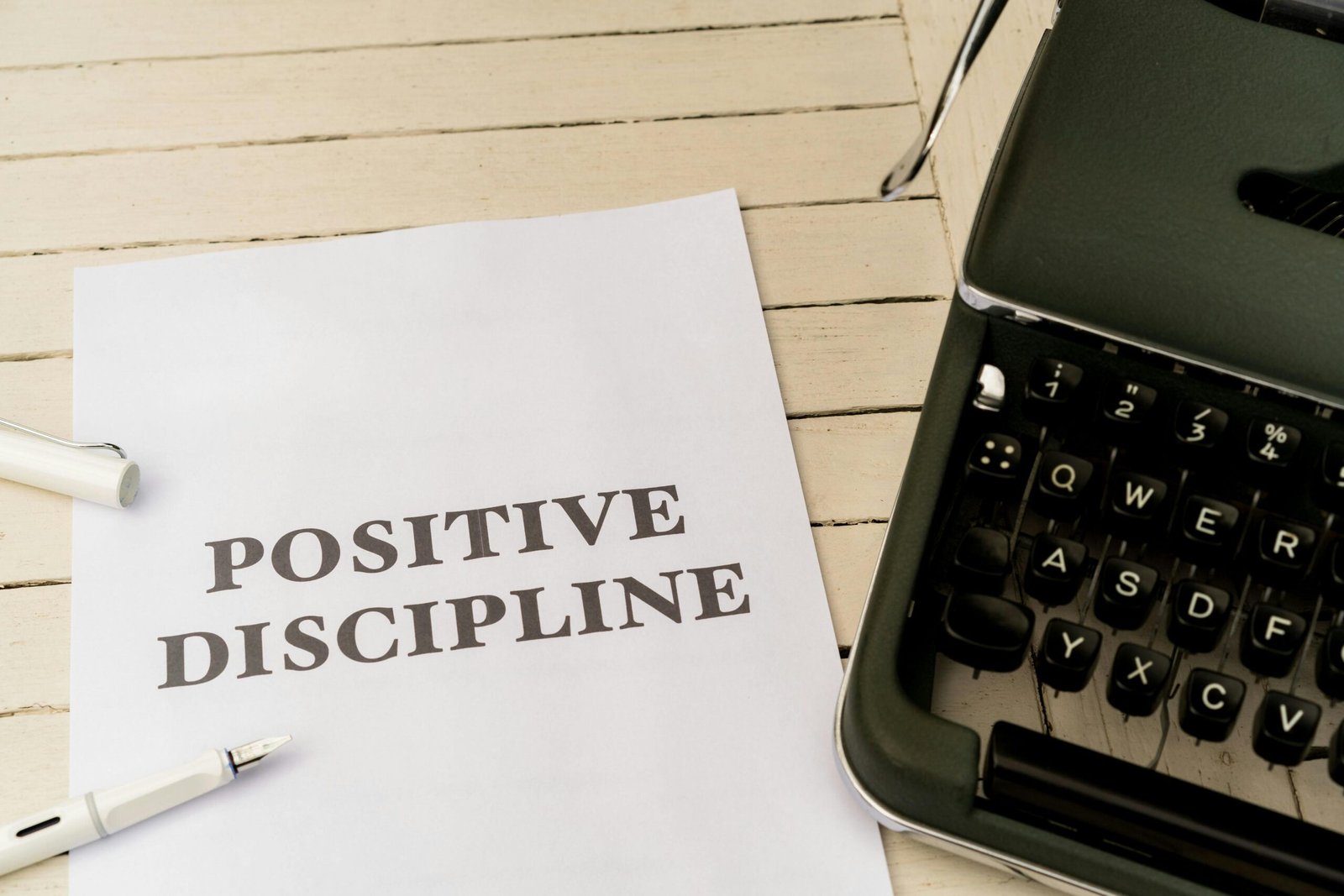
A white sheet of paper with the words “Positive Discipline” printed on it, placed on a light wooden desk beside a vintage typewriter and a pen, symbolizing self improvement and disciplined habits

You do not need extreme willpower from day one. The path to discipline is built through small, consistent actions. We will explore practical strategies that fit into your daily life. This approach makes the process less overwhelming. Over time, these small steps create significant and lasting change. Let’s begin with the most important place to start: your mindset.

Start by Understanding Your “Why”
First, you must discover your deep reason for wanting more discipline. A strong “why” provides powerful motivation. This reason will keep you going when your initial excitement fades. For example, you might want to get fit to have more energy for your children. Alternatively, you may wish to study for a promotion to improve your family’s life.

Write down your main reasons for seeking discipline. Place this note where you will see it daily, like on your bathroom mirror. This simple act reminds you of your purpose. Consequently, your goal feels more meaningful and real. This connection to a larger purpose fuels your commitment on difficult days.

Set Clear and Achievable Goals
Vague goals lead to vague results. You cannot follow a path you cannot see. Therefore, you must define exactly what you want to accomplish. Use the SMART framework for this step. This means your goals should be Specific, Measurable, Achievable, Relevant, and Time-bound.

For instance, “get healthy” is too vague. A SMART goal would be, “I will walk for 20 minutes, three days a week, for the next month.” This goal is clear and easy to track. As a result, you know precisely what success looks like. Achieving these small wins builds confidence. This confidence then motivates you to tackle larger goals.

Build One Small Habit at a Time
Many people fail because they try to change everything at once. This approach quickly leads to burnout. Instead, focus on building one single, small habit. Your willpower is a muscle that gets tired. Starting small conserves your mental energy.

Choose a habit that takes less than five minutes to complete. For example, make your bed each morning or read two pages of a book every night. The key is consistency, not intensity. Perform this habit at the same time and place every day. Over time, this routine becomes automatic. This automation is the foundation of discipline.

Create a Simple and Realistic Daily Routine
Discipline thrives on structure. A predictable routine removes countless small decisions from your day. This saves your willpower for more important tasks. Your routine does not need to be complex or rigid. However, it should provide a basic framework for your day.

Start by blocking out time for your non-negotiables. These include sleep, work, meals, and your one new small habit. Write down a simple schedule for a typical weekday. Follow this plan as closely as possible. A routine reduces mental clutter. As a result, you spend less energy deciding what to do next and more energy actually doing it.

Remove Temptations and Simplify Choices
Your environment has a huge impact on your behavior. You can make discipline easier by designing your surroundings for success. This means reducing friction for good habits and increasing friction for bad ones.

For example, if you want to eat healthier, stock your fridge with pre-cut fruits and vegetables. Conversely, do not keep junk food in the house. If social media distracts you, use an app to limit your time or delete the apps from your phone. By managing your environment, you rely less on fleeting willpower. Instead, you make the disciplined choice the easy choice.

Practice the Five-Minute Rule to Beat Procrastination
Procrastination is the enemy of discipline. The five-minute rule is a powerful tool to defeat it. The rule is simple: commit to working on a dreaded task for just five minutes. Anyone can handle five minutes of discomfort.

Tell yourself you can stop after five minutes if you want to. However, starting is almost always the hardest part. Once you begin, you will often find the momentum to continue. This strategy breaks the cycle of avoidance. For example, use it to start cleaning, writing, or studying. Over time, this practice rewires your brain to initiate tasks more easily.

Track Your Progress Visibly
What gets measured gets managed. Tracking your progress provides concrete evidence of your improvement. This visual proof is incredibly motivating. You can use a simple method, like a calendar or a habit-tracking app.

Place a large “X” on a wall calendar for each day you complete your small habit. The goal is to create an unbroken chain of Xs. Seeing that chain grow creates positive pressure to keep going. You won’t want to break the streak. This simple act turns abstract discipline into a visible, rewarding game.

Learn to Manage Your Energy, Not Just Your Time
Discipline requires mental and physical energy. You cannot make good choices if you are exhausted. Therefore, you must prioritize fundamental self-care. This includes getting enough sleep, eating nutritious foods, and moving your body.

Poor sleep, for instance, directly impairs your brain’s decision-making functions. When you are tired, you are much more likely to choose the easy, undisciplined path. Schedule time for recharging activities just as you would for work. By managing your energy effectively, you ensure you have the capacity to be disciplined.

Embrace Imperfection and Keep Going
You will have days where you slip up. This is a normal part of the process, not a failure. The key to long-term discipline is how you respond to these setbacks. Do not fall into the trap of all-or-nothing thinking.

If you miss one day of your new habit, do not abandon it completely. Acknowledge the lapse, understand what caused it, and simply restart the next day. The difference between success and failure is often persistence. Forgive yourself and recommit immediately. Over time, resilience becomes one of your greatest disciplined strengths.

Review and Adjust Your Plan Regularly
Your discipline plan is not set in stone. Life changes, and your strategies should too. Set a weekly or monthly time to review your progress. Ask yourself what is working well and what feels difficult.

Perhaps your initial goal was too ambitious. Maybe a new distraction has appeared. Use this review to adjust your methods. This flexible approach prevents you from staying stuck in a system that no longer serves you. Regular reflection ensures your journey remains effective and tailored to your life.

Daily Practices That Improve Self Control

Self-control is the power to manage your actions, feelings, and emotions. It helps you resist short-term temptations to meet long-term goals. Many people believe willpower is a fixed trait. However, it is more like a muscle you can strengthen. You can improve it consistently with the right daily habits for self-control. This guide will explain simple, practical routines. These practices are easy for beginners to understand and implement. Over time, they build your mental resilience.

Hands choosing fabric swatches and blue-gray color palette cards on a white marble table, representing design planning and color selection

Understanding Self-Control as a Skill

First, it is crucial to see self-control as a learnable skill. You were not born with a set amount of willpower. Instead, your brain can form new neural pathways. This process is called neuroplasticity. Every time you practice restraint or a positive routine, you reinforce these pathways. As a result, self-control becomes easier and more automatic. Think of it like learning to drive a car. At first, it requires intense focus. With daily practice, however, it becomes second nature.

Start Your Day with a Small Win

Your morning routine sets the tone for the entire day. Begin with a small, easily achievable task. For example, you could make your bed immediately after waking up. Another option is to drink a full glass of water. This simple act creates an immediate sense of accomplishment. It reinforces the idea that you can follow through on your intentions. This early success builds momentum. Consequently, you are more likely to make disciplined choices later.

Prioritize Quality Sleep

Sleep is the foundation of all cognitive function, including self-control. When you are tired, your brain’s prefrontal cortex weakens. This area is responsible for decision-making and impulse control. As a result, you become more susceptible to cravings and emotional reactions. Aim for seven to nine hours of quality sleep per night. Establish a consistent bedtime. Also, create a relaxing pre-sleep routine without screens. This habit ensures you have the mental energy for discipline.

Practice Mindfulness for Just Five Minutes

Mindfulness is the practice of observing your present thoughts and feelings without judgment. It trains you to become aware of your impulses before acting on them. You do not need a long meditation session. Start with just five minutes each morning. Sit quietly and focus on your breath. When your mind wanders, gently bring it back. This practice strengthens your awareness muscle. Over time, you will notice urges, like reaching for junk food, and can pause. That pause is where your power to choose lies.

Use the “10-Minute Rule” for Cravings

Impulsive urges often feel urgent but they usually fade. A powerful daily habit is the “10-Minute Rule.” When a craving strikes, whether for a snack, a purchase, or checking social media, tell yourself to wait just ten minutes. During that time, distract yourself with a different activity. Often, the intensity of the urge will pass. This habit creates a buffer between impulse and action. It proves to you that you can withstand temporary discomfort. Instead of feeling deprived, you feel empowered.

Structure Your Environment for Success

Your willpower is a limited resource. Do not waste it fighting temptations you can simply remove. This is called environmental design. For example, if you want to eat healthier, do not keep junk food in the house. If you get distracted by your phone, leave it in another room while you work. By making undesirable actions harder and good choices easier, you conserve self-control. This daily practice involves small, conscious setup steps. It is a straightforward way to support your goals.

Break Goals into Tiny, Daily Actions

Large, vague goals like “get fit” or “save money” drain willpower because they lack clarity. Instead, break them into microscopic daily actions. For instance, “do one push-up” or “save one dollar today.” These actions are so small they feel impossible to refuse. Completing them builds consistency and a powerful identity. You start to see yourself as someone who exercises or saves money. This identity then fuels bigger actions naturally. The daily habit is the tiny task, not the overwhelming goal.

Nourish Your Body with Regular Meals

Your brain runs on glucose, its primary fuel. When your blood sugar drops, your capacity for self-control plummets. This state makes you irritable and more likely to seek quick, sugary fixes. A vital daily habit is to eat balanced meals at regular intervals. Do not skip breakfast. Include protein, healthy fats, and fiber in your meals. This practice stabilizes your energy levels. Therefore, you are not trying to exert willpower while biologically depleted.

Reframe “I Can’t” to “I Don’t”

The language you use shapes your mindset. Research shows that saying “I don’t” is more psychologically empowering than “I can’t.” For example, say “I don’t eat sugar” instead of “I can’t eat sugar.” “I can’t” implies an external restriction and deprivation. “I don’t,” however, reflects a personal choice and a stable identity. It is a small linguistic habit you can practice daily. This shift reinforces your self-image as a person in control of your decisions.

Track Your Progress Simply

Monitoring your behavior increases self-awareness. You do not need a complex system. Simply marking an “X” on a calendar for each day you complete your tiny habit is effective. This visual chain of success is motivating. The desire to “not break the chain” can help you follow through on tough days. This daily recording takes seconds. It provides concrete proof of your growing self-discipline, which builds confidence for bigger challenges.

Embrace Imperfection and Bounce Back

No one exercises perfect self-control every day. You will have moments of lapse. The critical habit is how you respond. Do not fall into the “what-the-hell” effect, where one mistake leads to abandoning all effort. Instead, practice self-compassion. Acknowledge the slip, learn from it, and immediately return to your positive routine. The habit of bouncing back is more important than never failing. It builds resilience, which is the core of long-term self-control.

How to Stay Motivated Without Forcing Yourself

How to Stay Motivated Without Forcing Yourself: A Guide to Sustainable Motivation
Do you ever feel like you have to force yourself to be motivated? This struggle is very common. However, true drive does not come from constant pressure. Instead, it comes from building a system that works for you. This article will show you how to cultivate sustainable motivation without fighting your own mind. We will explore simple, beginner-friendly strategies. These methods focus on alignment and ease, not on willpower and grit.

A focused woman sitting at a table, thoughtfully studying a chessboard, resting her hand on her temple while planning her next move in a calm, minimalist setting.

Understanding Motivation: It’s a Feeling, Not a Force
First, you must understand what motivation really is. Many people see it as a magical force they must wait for. However, motivation is simply a feeling. It is the feeling of wanting to do something. You cannot directly control feelings. You can only influence them through your actions and thoughts. Trying to force the feeling of motivation often backfires. It creates resistance and makes tasks feel harder. Sustainable motivation is about creating conditions where that feeling arises naturally.

Start With Clarity: Know Your “Why”
Your first step is to find your real reason for a task. A strong “why” provides powerful fuel. For example, “I need to exercise” is a weak reason. “I exercise to have more energy to play with my kids” is a strong “why.” This personal connection matters deeply. When you know your deeper reason, your brain aligns with the goal. Write down your “why” and keep it visible. Look at it when you feel your drive fading. This reminder connects daily effort to meaningful purpose.

Make the First Step Extremely Easy
Resistance often builds around starting. The thought of a big, difficult task is daunting. The solution is to make the first step incredibly small. This is sometimes called the “Two-Minute Rule.” If you want to start running, just put on your shoes. If you want to write, just open a document and write one sentence. Do not focus on the whole project. Instead, just commit to the tiny first action. As a result, you bypass the mental fight. Starting becomes almost automatic.

Build Consistent Routines, Not Intense Sprints
Motivation is unreliable because it comes and goes. Routine, however, is dependable. Your goal should be to build consistent habits, not to rely on bursts of inspiration. For instance, writing for twenty minutes every morning is better than writing for five hours once a month. Consistency trains your brain. Over time, the action becomes part of your day. You do it with less mental debate. This creates a foundation of sustainable motivation that does not require daily negotiation.

Design Your Environment for Success
Your environment has a huge impact on your behavior. If you force yourself to work against your surroundings, you will tire quickly. Instead, design your space to make good choices easy and bad choices harder. For example, place your workout clothes next to your bed. Keep healthy snacks visible in the kitchen. Uninstall distracting apps from your phone. These small changes remove points of friction. They help the right action become the default, effortless choice.

Focus on Progress, Not Perfection
A major motivation killer is the demand for perfect results. When you expect perfection, any small mistake feels like failure. This feeling makes you want to quit. Instead, shift your focus to simple progress. Celebrate showing up. Celebrate completing your tiny first step. Track your efforts in a simple journal. Seeing a chain of small wins builds momentum. Over time, this positive feedback loop encourages you to continue. Progress, not perfection, fuels long-term drive.

Use Curiosity as Your Engine
Sometimes, tasks feel boring or overwhelming. In these moments, forcing action is very hard. A powerful alternative is to lead with curiosity. Ask yourself gentle, exploratory questions. For example, “I wonder what will happen if I just start?” or “What is one new thing I could try with this task?” This approach removes pressure. It turns the task into a small experiment. Curiosity is a lighter, more playful energy than obligation. It can carry you forward when grim determination fails.

Connect Actions to Your Identity
This is a profound shift in thinking. Instead of saying “I need to do this,” try saying “I am someone who does this.” For instance, change “I need to run” to “I am a runner.” Or change “I have to write” to “I am a writer.” This links your actions to your self-image. You begin to act in ways that prove this new identity to yourself. As a result, your behaviors feel more authentic. They become something you do because of who you are, not just a chore you force.

Schedule Regular Breaks and Rewards
Non-stop work leads to burnout. Your brain needs rest and positive reinforcement to stay engaged. Schedule short breaks during work sessions. Use a timer if it helps. Furthermore, plan small, immediate rewards for completing a task. The reward could be a cup of tea, a short walk, or a few minutes of a fun video. This practice, called “temptation bundling,” makes the task more appealing. It teaches your brain that effort leads to good things, building positive associations.

Practice Self-Compassion, Not Criticism
Finally, be kind to yourself when motivation dips. Harsh self-criticism drains your energy and creates shame. This makes starting again even harder. When you skip a day or struggle, talk to yourself as you would to a friend. Acknowledge the difficulty without drama. Then, gently guide yourself back to your small next step. Self-compassion keeps the path open. It allows you to return to your habits without a heavy sense of failure. This kindness is essential for sustainable motivation.

Simple Ways to Develop a Positive Mindset

Simple Ways to Develop a Positive Mindset: A Beginner’s Guide

Developing a positive mindset is a powerful choice you can make. However, it is not about ignoring life’s difficulties. Instead, it is about approaching challenges with a more hopeful and productive attitude. This guide will show you practical and simple ways to develop a positive mindset. These steps are easy to understand and apply, even if you are just starting your journey.

A positive mindset can improve your health, relationships, and overall happiness. As a result, you may feel less stressed and more resilient. This process takes practice, but the methods are straightforward. Let’s explore these simple ways to develop a positive mindset together.

Smiling woman in a blue and white striped shirt giving a thumbs up gesture against a clean white background with copy space.

Understanding Your Current Thought Patterns

First, you need to notice your current thoughts. Pay attention to your inner voice throughout the day. For example, do you often think, “I can’t do this,” or “Nothing ever works out”? These are negative thought patterns.

Do not judge yourself for having these thoughts. Instead, see this as helpful information. Awareness is the essential first step toward change. Over time, you will start to see which thoughts hold you back. This knowledge gives you the power to choose a different response.

Practice Daily Gratitude

Gratitude is one of the most effective simple ways to develop a positive mindset. It shifts your focus from what you lack to what you have. You do not need big things to feel grateful. A sunny day, a good meal, or a friend’s smile all count.

Start a simple gratitude habit. Every evening, write down three things you were thankful for that day. They can be very small. This practice trains your brain to scan for good things. As a result, you will naturally begin to notice more positivity around you.

Reframe Negative Thoughts

You will have negative thoughts. The goal is not to eliminate them completely. The key is to challenge and change them. This process is called “reframing.” It is a core skill for a positive outlook.

For instance, imagine you think, “I made a mistake at work. I am terrible at my job.” Pause and reframe that thought. You could say, “I made a mistake, but I can learn from it. I am generally good at my job, and this is one error.” This new thought is more balanced and truthful.

Surround Yourself with Positive Influences

The people and media you consume shape your thoughts. Therefore, be mindful of your environment. Spend more time with people who uplift and support you. Limit time with those who constantly complain or bring negativity.

Apply the same rule to social media and news. Unfollow accounts that make you feel anxious or inadequate. Instead, follow pages that inspire you. This creates a digital space that supports your new, positive mindset.

Use Positive Affirmations

Affirmations are positive statements about yourself. They can reprogram your subconscious mind. However, they must feel believable to you. Start with simple, present-tense statements.

For example, say, “I am capable of handling challenges,” or “I choose to see the good today.” Repeat your chosen affirmations each morning. Say them with conviction. Over time, these words can build new, positive neural pathways in your brain.

Focus on Solutions, Not Problems

A negative mindset dwells on problems. A positive mindset looks for solutions. When you face a difficulty, try to shift your focus. Ask yourself, “What is one small step I can take to improve this?”

This proactive approach makes you feel empowered. Instead of feeling like a victim of circumstance, you become a problem-solver. Even a tiny action can create momentum and hope.

Practice Mindfulness and Live in the Present

Often, negativity comes from worrying about the future or regretting the past. Mindfulness brings your attention to the present moment. It is a calm state where you observe your thoughts without getting stuck in them.

You can practice mindfulness easily. Spend five minutes focusing only on your breath. When your mind wanders, gently bring it back. This simple exercise reduces stress. It also helps you break the cycle of negative thinking.

Take Care of Your Body

Your physical health directly impacts your mental state. Simple lifestyle choices support a positive mind. Ensure you get enough sleep, as tiredness magnifies negativity. Eat nutritious foods that fuel your brain and body.

Regular exercise is also crucial. Physical activity releases endorphins, which are natural mood lifters. A short daily walk can make a significant difference. When your body feels good, your mind finds it easier to feel good too.

Celebrate Small Wins

Do not wait for huge achievements to feel happy. A positive mindset appreciates progress, no matter how small. Finished a task? Acknowledge it. Had a positive interaction? Celebrate it.

This habit builds confidence and momentum. It teaches your brain that good things happen regularly. As a result, you will feel more motivated and optimistic about your daily life.

Be Kind to Yourself and Others

Kindness is a powerful positivity generator. Start with self-kindness. Talk to yourself like you would to a good friend. Forgive yourself for mistakes, understanding that they are part of learning.

Extend that kindness outward. Perform small, random acts of kindness. Pay someone a compliment or hold the door open. These actions create a ripple effect of good feelings. They strengthen your sense of connection and purpose.

Let Go of What You Cannot Control

A major source of stress is trying to control the uncontrollable. You cannot control other people’s actions or certain life events. However, you can always control your own response.

Focus your energy only on things within your influence. This includes your efforts, your attitude, and your self-care. Releasing the need to control everything else brings immense peace and positivity. Simple Ways to Develop a Positive Mindset: A Beginner’s Guide

Developing a positive mindset is a powerful choice you can make. However, it is not about ignoring life’s difficulties. Instead, it is about approaching challenges with a more hopeful and productive attitude. This guide will show you practical and simple ways to develop a positive mindset. These steps are easy to understand and apply, even if you are just starting your journey.

A positive mindset can improve your health, relationships, and overall happiness. As a result, you may feel less stressed and more resilient. This process takes practice, but the methods are straightforward. Let’s explore these simple ways to develop a positive mindset together.

Understanding Your Current Thought Patterns

First, you need to notice your current thoughts. Pay attention to your inner voice throughout the day. For example, do you often think, “I can’t do this,” or “Nothing ever works out”? These are negative thought patterns.

Do not judge yourself for having these thoughts. Instead, see this as helpful information. Awareness is the essential first step toward change. Over time, you will start to see which thoughts hold you back. This knowledge gives you the power to choose a different response.

Practice Daily Gratitude

Gratitude is one of the most effective simple ways to develop a positive mindset. It shifts your focus from what you lack to what you have. You do not need big things to feel grateful. A sunny day, a good meal, or a friend’s smile all count.

Start a simple gratitude habit. Every evening, write down three things you were thankful for that day. They can be very small. This practice trains your brain to scan for good things. As a result, you will naturally begin to notice more positivity around you.

Reframe Negative Thoughts

You will have negative thoughts. The goal is not to eliminate them completely. The key is to challenge and change them. This process is called “reframing.” It is a core skill for a positive outlook.

For instance, imagine you think, “I made a mistake at work. I am terrible at my job.” Pause and reframe that thought. You could say, “I made a mistake, but I can learn from it. I am generally good at my job, and this is one error.” This new thought is more balanced and truthful.

Surround Yourself with Positive Influences

The people and media you consume shape your thoughts. Therefore, be mindful of your environment. Spend more time with people who uplift and support you. Limit time with those who constantly complain or bring negativity.

Apply the same rule to social media and news. Unfollow accounts that make you feel anxious or inadequate. Instead, follow pages that inspire you. This creates a digital space that supports your new, positive mindset.

Use Positive Affirmations

Affirmations are positive statements about yourself. They can reprogram your subconscious mind. However, they must feel believable to you. Start with simple, present-tense statements.

For example, say, “I am capable of handling challenges,” or “I choose to see the good today.” Repeat your chosen affirmations each morning. Say them with conviction. Over time, these words can build new, positive neural pathways in your brain.

Focus on Solutions, Not Problems

A negative mindset dwells on problems. A positive mindset looks for solutions. When you face a difficulty, try to shift your focus. Ask yourself, “What is one small step I can take to improve this?”

This proactive approach makes you feel empowered. Instead of feeling like a victim of circumstance, you become a problem-solver. Even a tiny action can create momentum and hope.

Practice Mindfulness and Live in the Present

Often, negativity comes from worrying about the future or regretting the past. Mindfulness brings your attention to the present moment. It is a calm state where you observe your thoughts without getting stuck in them.

You can practice mindfulness easily. Spend five minutes focusing only on your breath. When your mind wanders, gently bring it back. This simple exercise reduces stress. It also helps you break the cycle of negative thinking.

Take Care of Your Body

Your physical health directly impacts your mental state. Simple lifestyle choices support a positive mind. Ensure you get enough sleep, as tiredness magnifies negativity. Eat nutritious foods that fuel your brain and body.

Regular exercise is also crucial. Physical activity releases endorphins, which are natural mood lifters. A short daily walk can make a significant difference. When your body feels good, your mind finds it easier to feel good too.

Celebrate Small Wins

Do not wait for huge achievements to feel happy. A positive mindset appreciates progress, no matter how small. Finished a task? Acknowledge it. Had a positive interaction? Celebrate it.

This habit builds confidence and momentum. It teaches your brain that good things happen regularly. As a result, you will feel more motivated and optimistic about your daily life.

Be Kind to Yourself and Others

Kindness is a powerful positivity generator. Start with self-kindness. Talk to yourself like you would to a good friend. Forgive yourself for mistakes, understanding that they are part of learning.

Extend that kindness outward. Perform small, random acts of kindness. Pay someone a compliment or hold the door open. These actions create a ripple effect of good feelings. They strengthen your sense of connection and purpose.

Let Go of What You Cannot Control

A major source of stress is trying to control the uncontrollable. You cannot control other people’s actions or certain life events. However, you can always control your own response.

Focus your energy only on things within your influence. This includes your efforts, your attitude, and your self-care. Releasing the need to control everything else brings immense peace and positivity.

Page 2 of 4

Powered by BlogBest & ©2026